Sunday, October 4, 2026 RESEARCH. CONTEXT. PRACTICAL CLARITY.
A clear guide to appetite pathways, approved products, trial evidence, and the questions that matter before treatment.
MyWeightLab Editorial Team · Oct 3, 2026 · 10 min read
Read the full story ↗ THE MYWEIGHTLAB PERSPECTIVE 01 / RESEARCH & CONTEXT
START HERE. COME BACK OFTEN.
The Essentials. A permanent reading shelf.
News A 52-week mechanistic trial adds possible explanations for kidney protection, with null primary imaging results and small tissue subgroups.
MyWeightLab Editorial Team · Oct 4, 2026
News The September 2026 trial adds evidence in type 2 diabetes, with two distinct weight-loss analyses and US approval still absent.
MyWeightLab Editorial Team · Oct 4, 2026
Weight-Loss Drugs Compare Zepbound and Mounjaro using current US and EU indications, safety warnings and practical questions about the supplied product.
MyWeightLab Editorial Team · Oct 3, 2026
Weight-Loss Guides Assess whether calorie tracking helps your decision or increases burden, and consider other ways to support eating and weight-management care.
MyWeightLab Editorial Team · Oct 3, 2026
Weight-Loss Guides Review a disrupted week with neutral facts, protect adequate eating and choose one practical adjustment instead of escalating restriction.
MyWeightLab Editorial Team · Oct 3, 2026
Weight-Loss Drugs Compare Zepbound and Mounjaro using current US and EU indications, safety warnings and practical questions about the supplied product.
MyWeightLab Editorial Team · Oct 3, 2026
Weight-Loss Drugs Tirzepatide and oral contraception: the four-week precautions, vomiting and diarrhea questions, and why advice must match the exact products.
MyWeightLab Editorial Team · Oct 3, 2026
Weight-Loss Drugs Plan pregnancy safely with weight-loss medicines: product-specific stopping intervals, contraception, unexpected exposure and coordinated follow-up.
MyWeightLab Editorial Team · Oct 3, 2026
Science Treatment-policy versus efficacy estimates in obesity trials: intercurrent events, missing data and why one study can report two valid weight-loss numbers.
MyWeightLab Editorial Team · Oct 3, 2026
Science Understand what visceral fat means, how studies measure it, and why a waist measure or scale score needs careful interpretation.
MyWeightLab Editorial Team · Oct 3, 2026
Science Read trial discontinuation rates with their reasons, timing and denominators, and see why tolerability needs more than a single dropout percentage.
MyWeightLab Editorial Team · Oct 3, 2026
THE EVERYDAY SCIENCE
Nutrition, in context View all ↗
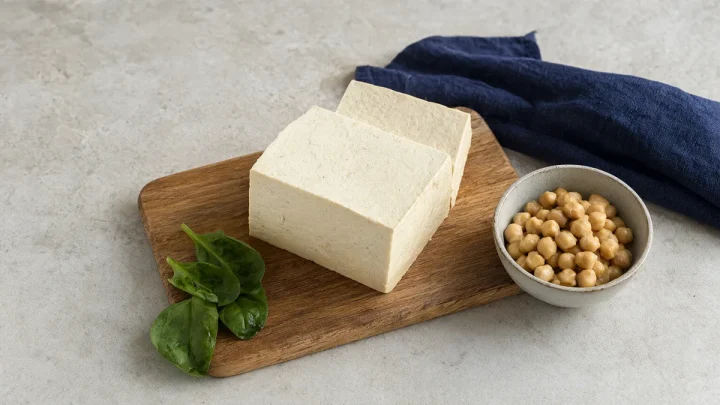
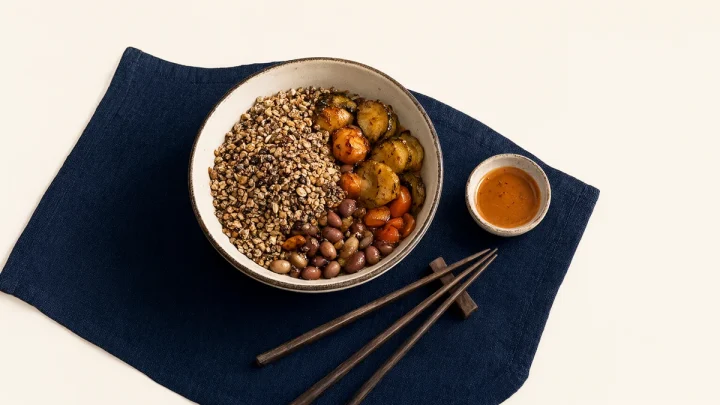
Nutrition A vegetarian plan can support weight management when meals remain varied and adequate, with protein foods and a reliable vitamin B12 strategy.
MyWeightLab Editorial Team · Oct 3, 2026
Nutrition Make restaurant decisions around enjoyment, appetite and practical choices, without compensating for one meal or relying on perfect calorie information.
MyWeightLab Editorial Team · Oct 3, 2026
Nutrition Build meals around nourishment, preference and practical preparation, and use satisfaction as information rather than a test of willpower.
MyWeightLab Editorial Team · Oct 3, 2026
Exercise Treat your watch’s calorie figure as an uncertain estimate, and evaluate device evidence before using it to make food or training decisions.
MyWeightLab Editorial Team · Oct 3, 2026
Exercise Choose an activity metric that answers your question: steps can describe walking volume, while minutes can include intensity and non-walking activity.
MyWeightLab Editorial Team · Oct 3, 2026
Exercise Restart movement with a realistic baseline, symptom awareness and a repeatable first step instead of trying to recreate your old routine.
MyWeightLab Editorial Team · Oct 3, 2026
PUT UNDERSTANDING INTO PRACTICE
Useful guides. THE MYWEIGHTLAB BRIEFING Weight-Loss Intelligence, Without the Noise The most important developments in obesity drugs, nutrition, training and weight-management science — curated and explained.
The email briefing is being prepared. Subscriptions will open soon.