Removing meat does not automatically build a complete eating pattern. A vegetarian day can include satisfying meals, or it can become a sequence of small snacks that never quite meets your needs. Weight management adds another consideration: changes in intake should still leave room for adequate nourishment. Start with the kind of vegetarian pattern you follow, the foods you enjoy and the meals you actually have time to prepare. Then identify nutritional gaps with appropriate guidance rather than assuming that a plant-based label answers every question.
Clarify what your pattern includes
Some vegetarians eat eggs and dairy; vegans exclude animal foods. Others use vegetarian meals frequently without following an exclusion rule. These distinctions matter for food choices and nutrient sources. Describe the pattern in plain terms when talking with a dietitian rather than relying on a label.
The WHO dietary guidance recognizes plant and animal protein sources within varied diets. A vegetarian pattern is one possible way to organize eating. It is not inherently a low-calorie diet, nor does the absence of meat prove that the pattern meets all nutritional needs.
Give each regular meal a practical protein option
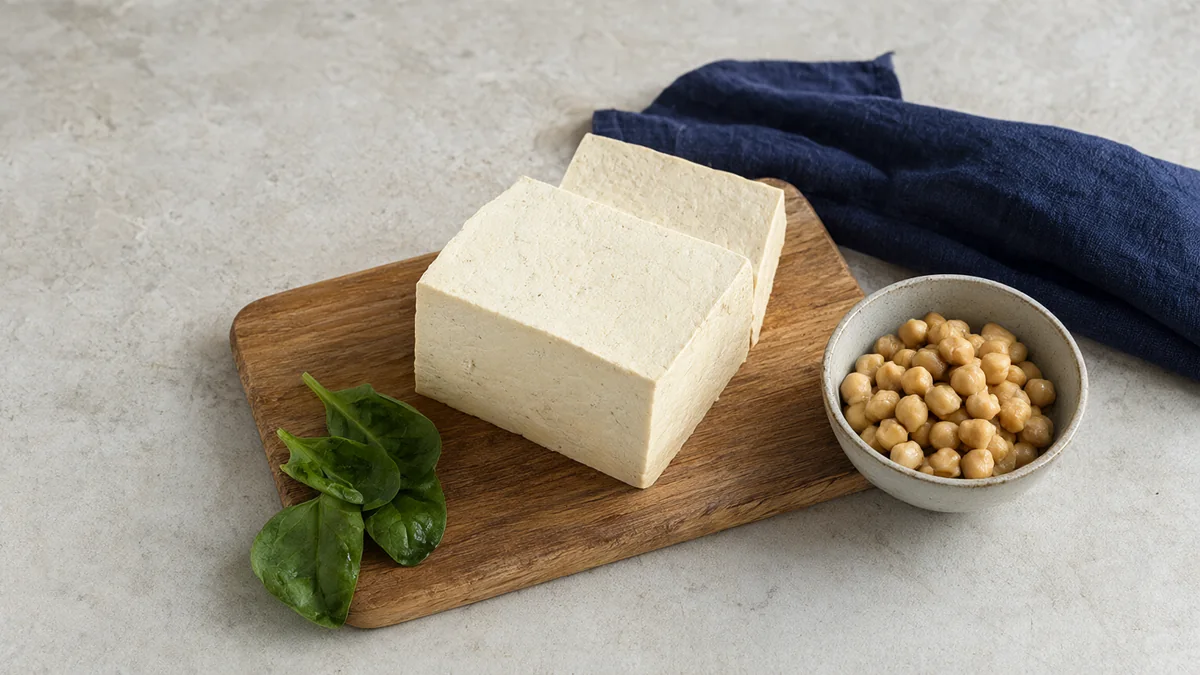
Look at the meals you most often eat and identify a protein-containing food. Beans, lentils, tofu, tempeh, eggs or dairy may fit, depending on the pattern. Nuts and seeds can contribute, but meals still need to be assessed as a whole. There is no single best food or compulsory combination for every person.
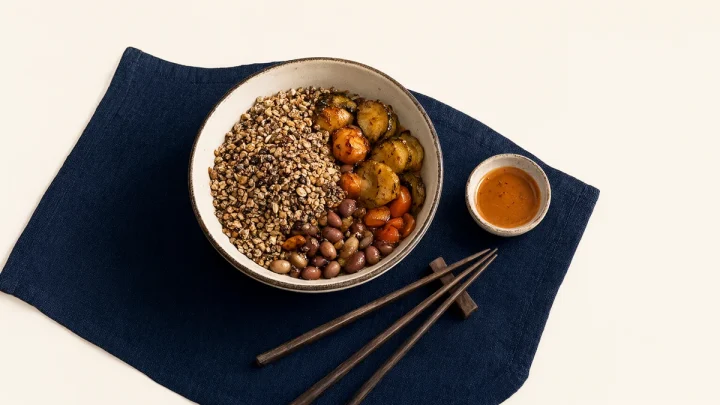
An illustrative lunch might be a lentil soup with bread; another might be a tofu rice bowl. These examples are planning ideas, not equivalent nutrient prescriptions. If your breakfast and lunch rarely include a substantial option, review the day with a professional instead of assuming dinner can always cover the gap.
Avoid turning protein into the only goal
More protein is not automatically the answer to every difficulty during weight loss. Adequacy, total intake, medical conditions and activity all matter. The guide to protein during weight loss discusses why small nutrition trials cannot provide one lifelong target for everyone.
A vegetarian plan can also become so focused on hitting a protein number that vegetables, grains or enjoyable foods disappear. Ask a dietitian to examine the overall pattern and the reason for any target. Kidney-related concerns or other medical restrictions may require advice that differs from general internet recommendations.
Make vitamin B12 a deliberate part of the plan
The NIH Office of Dietary Supplements explains that vitamin B12 occurs naturally in animal foods. People who eat little or no animal food may not get enough, so fortified foods or supplements require attention. Do not assume that an unfortified plant food becomes a reliable B12 source because it sounds wholesome.
Ask which sources in your actual pattern are dependable and whether supplementation or testing is appropriate. This article does not select a dose. Including occasional dairy or eggs also does not by itself prove adequacy; amounts, absorption and individual circumstances belong in the assessment.
Compare alternatives by the role they need to fill
A plant-based drink, burger or yogurt may serve a useful convenience role, but alternatives differ. Read labels for the question you are trying to answer: protein, fortification, sodium, allergens or portion size. Do not assume that products with similar names provide the same nutrients.
The FDA label guide explains serving-based comparisons. Compare the amount you would use as well as the panel’s listed serving. A product can be a good practical substitute for cooking time while still requiring another food to complete the meal.
Keep carbohydrate foods in the conversation
Vegetarian eating can become unnecessarily restrictive when grains, potatoes and fruit are treated as obstacles to weight management. The useful question is how these foods fit the overall pattern, preferences and any medical advice. WHO includes whole grains and pulses within healthy dietary guidance.
If removing a staple makes meals unaffordable or unsatisfying, revisit the decision. A familiar rice-and-bean dish may be more repeatable than an expensive substitute. The amount and other components still matter; a plant-based staple is neither a free pass nor a food that everyone must avoid.
Use variety without requiring elaborate cooking
Variety can come from rotating a few familiar foods rather than preparing a new recipe every night. Consider one bean dish, one tofu or egg-based dish if suitable, and one convenient backup. Add vegetables and other components in ways that fit taste and access.
Batch preparation can help when it is realistic, but it is not compulsory. If you have limited equipment or a shared kitchen, identify foods you can assemble safely. Cost, storage and preparation time are genuine design constraints. A diet that ignores them may look balanced on a spreadsheet and fail before lunch.
Ask about nutrients beyond protein and B12
A professional review may include iron, calcium, vitamin D and other nutrients, depending on the foods excluded and your circumstances. That is a reason to examine your actual intake, not to buy every supplement marketed to vegetarians. Symptoms alone cannot identify the relevant deficiency.
Bring food labels for the fortified products you regularly use, and mention pregnancy, chronic illness, digestive surgery or medications when relevant. Those details can change the advice. The goal is a reliable strategy for identified needs, with follow-up, rather than assuming a multivitamin resolves every possible gap.
A grocery check for one ordinary week
Before shopping, ask whether you have a protein-containing option for the meals you plan, a reliable B12 strategy, produce and staples you can prepare, and a backup for a busy day. This is an illustrative review prompt, not a validated nutrition checklist. It can help you identify what to ask a dietitian.
Review what goes uneaten as well as what runs out. If fresh produce repeatedly spoils, frozen options may fit better. If a bean meal is disliked, change the recipe or food. A sustainable pattern should account for what happens after the groceries reach your kitchen.
Judge the plan by fit and health, not its label
Track whether the pattern supports regular meals, adequate intake, acceptable cost and everyday function. Weight alone cannot establish nutritional adequacy. Persistent fatigue, marked appetite loss or troublesome symptoms warrant assessment rather than another dietary exclusion.
Vegetarian weight management works as a planning conversation about foods and health needs, not as proof of moral superiority or a guaranteed result. For practical support, our questions for a dietitian can help you turn general advice into a plan you understand.