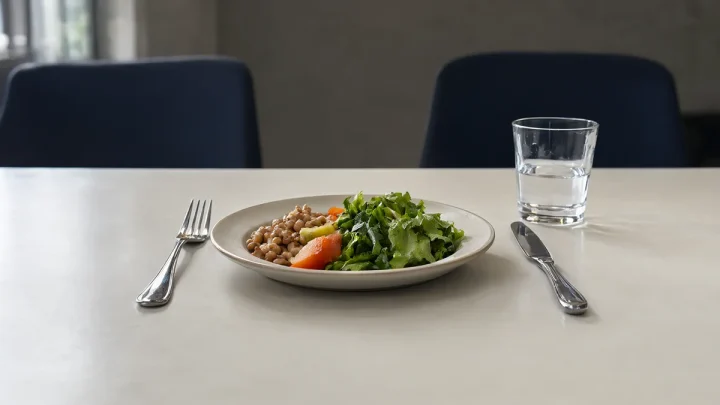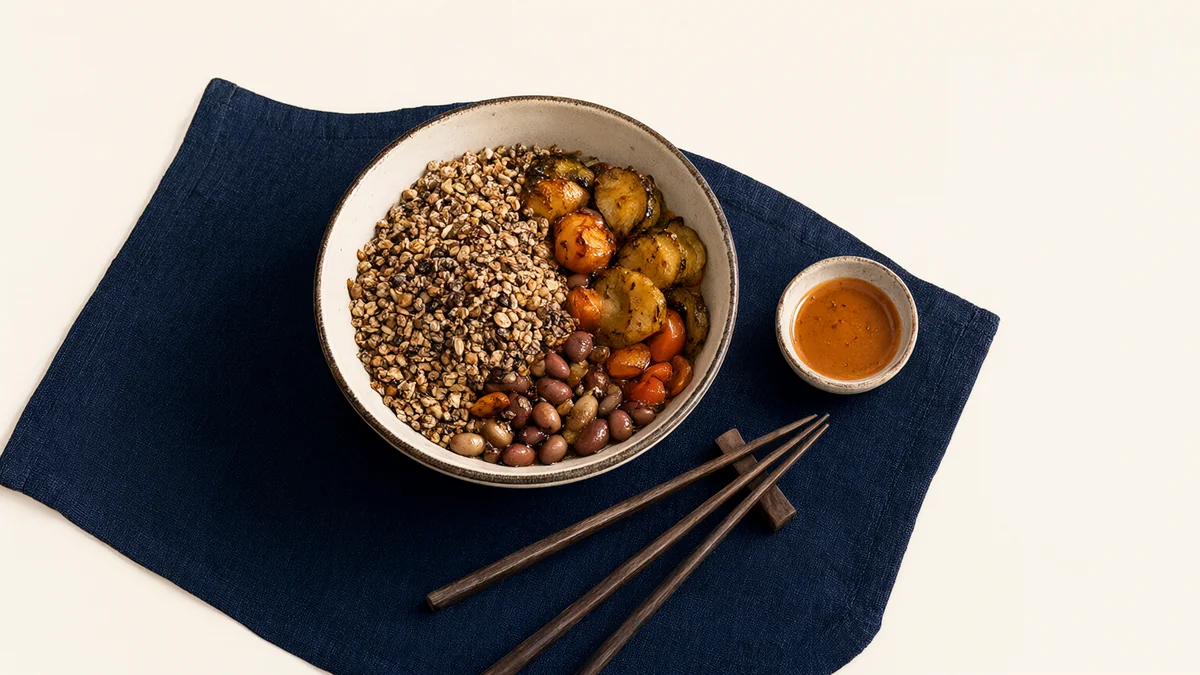
A meal can look virtuous on paper and still fail in real life. Perhaps it takes too long, tastes disappointing, or leaves you looking for something else soon afterward. Building satisfying meals means considering nourishment and enjoyment alongside convenience. It does not mean finding a combination that guarantees you will never feel hungry. The aim is a meal pattern that you can repeat, adjust and share without treating every choice as a pass-or-fail event.
Define the job the meal needs to do
Start with the setting. A breakfast before an early shift has different demands from a leisurely evening meal. Consider available time, appetite, access to a kitchen and how long it will be until you can next eat. These practical questions help identify a useful option before discussing whether it fits a fashionable diet.
The NIDDK guide to weight-management programs emphasizes plans tailored to health, preferences, culture and circumstances. A meal that requires resources you do not have is a poor fit, even if its ingredient list sounds impressive.
Use components as prompts, not compulsory compartments
Look for a protein-containing food, a grain or other starch, produce, and ingredients that make the meal enjoyable. This is an original planning prompt, not a prescribed plate ratio. Mixed dishes such as lentil stew, a rice bowl or a sandwich can provide several components together. There is no need to separate them into identical portions.
The WHO dietary guidance supports variety and recognizes that healthy eating patterns vary. That supports flexible food choices, not a claim that every combination suggested here has been tested for weight loss. Your portions and medical needs still require context.
Make flavor part of the plan
If a meal tastes like an obligation, the issue may be preparation rather than discipline. Consider texture, temperature, seasoning and familiar cultural flavors. A bean dish you enjoy is a different practical proposition from a plain bowl of beans you only eat because you think you should.
Ask what would make the meal appealing while fitting any clinical restrictions. A sauce, crunchy ingredient or warm accompaniment may be worth including. You can review the whole meal without declaring one ingredient forbidden. Enjoyment is a legitimate planning consideration; it is not proof that a food is nutritionally complete.
Compare a convenient meal with its realistic alternative
A convenient prepared option is often compared with an ideal home-cooked meal that no one has time to make. Instead, compare it with what would actually happen: a skipped lunch, several unplanned snacks, a takeout order, or another ready meal. That produces a more useful decision.
Read relevant labels where available, and consider whether the meal offers enough variety for its role. The FDA label guide helps with serving sizes and nutrient comparisons. It does not rank your character or establish that a single convenient food defines your entire eating pattern.
Treat hunger after eating as information
If you are often hungry soon after a meal, describe the meal and the circumstances. Was it rushed? Was the amount small for your needs? Was a substantial component missing? Are symptoms, poor sleep or a changed schedule involved? The answer may suggest a review, but one episode does not identify a nutrient deficiency.
You can try a focused adjustment to one recurring meal and notice what changes. Avoid promising that protein, fiber or a particular food will eliminate hunger. If hunger or intake feels difficult to manage, a dietitian can evaluate the overall pattern instead of asking you to perform endless self-experiments.
Leave room for different appetites
People sharing a meal do not necessarily need the same amount. A useful household approach is a common base with optional additions: a stew with bread available, or a rice dish with extra vegetables and protein-containing foods. This lets the meal serve different preferences without cooking entirely separate dinners.
Likewise, your appetite may differ between days. Flexibility can mean saving part of a meal, adding an accompaniment or choosing a different texture. If appetite has become persistently very low, especially during medication use, review adequacy and symptoms with the care team rather than celebrating the smallest possible intake.
A lunch example without a universal recipe
Imagine someone who buys lunch at work and dislikes cold salads. A warm soup with beans plus bread might be practical. Another person may prefer a sandwich with a familiar filling and fruit. Neither example is superior in every setting; the ingredients, portions, allergies and overall day matter.
The useful test is whether the option is available, enjoyable and capable of fitting nutritional needs. If soup is not sold nearby or cannot be reheated, change the plan. A framework succeeds when it helps you choose among real options, not when it creates a meal you can only assemble on an unusually easy day.
Food rules can obscure the actual obstacle
A rule such as “never eat bread” may be simpler to state than a problem such as “I have no lunch break.” But it does not solve that problem. List the barriers before making the diet stricter: cost, storage, time, symptoms, family preferences or access to shops.
If rules are multiplying or eating produces intense guilt, discuss that with a qualified professional. Recurrent loss of control or distress around eating deserves assessment, not a harsher set of rules. Our guide to emotional eating and support distinguishes practical reflection from clinical needs.
Make one meal easier this week
Choose a meal that repeats often. Keep its successful parts and change one obstacle. That might mean buying a frozen vegetable, preparing a filling once for two lunches, or keeping an easy breakfast option available. Write down the change and why you chose it.
Afterward, ask whether it reduced effort and whether you enjoyed eating it. If it did not, revise the idea rather than interpreting the result as failure. The planning process should leave you with useful knowledge about your day. For a broader routine, see meal planning when time is limited.
Plan for the place where you will eat
The same ingredients can work differently at a desk, in a car or around a shared table. Consider an illustrative lunch: a warm lentil dish may be enjoyable at home, while a portable sandwich with vegetables may be more practical on a short break. If you have no microwave, changing the temperature or format may solve the obstacle without changing the food pattern completely.
Check utensils, storage and the chance to sit down before buying another meal-preparation container. Ask whether the proposed meal will still appeal to you in that setting. This is a planning example, not evidence that one format causes more weight loss. The aim is to make the meal you planned available when and where you need it.