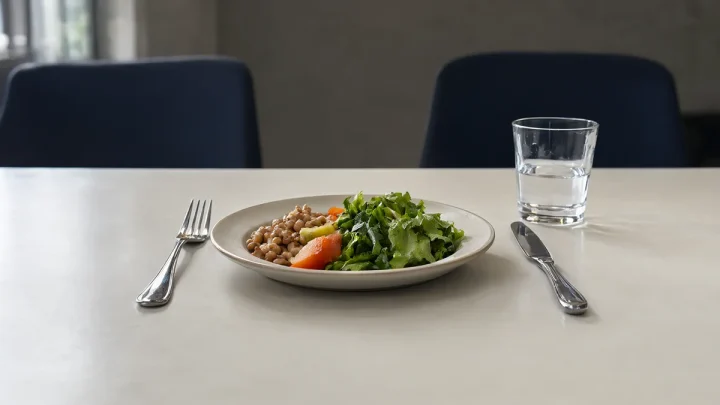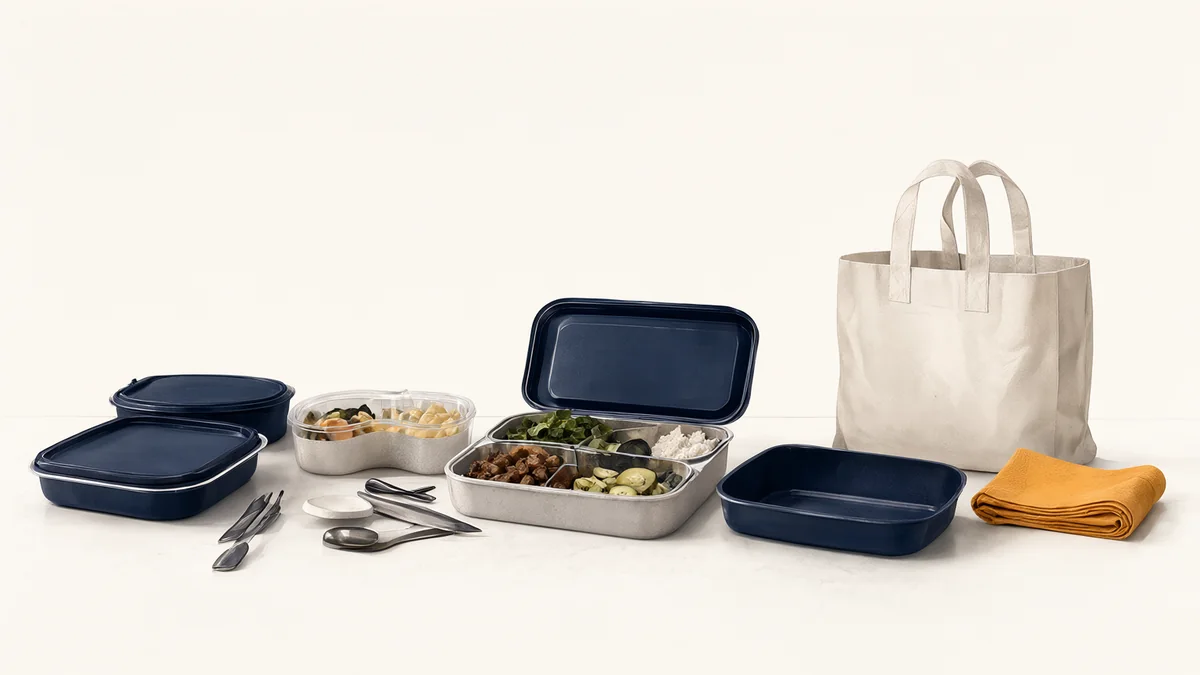
Meal planning often fails at the moment it is supposed to help: the evening when work runs late, the refrigerator looks unpromising and there is little energy left. A useful plan starts with that evening. It does not need a beautifully filled calendar or a Sunday spent cooking. It needs a few decisions that reduce effort while keeping nourishing food within reach. The best level of planning is the one that fits your actual schedule, kitchen, household and appetite.
Map the difficult moments first
Identify when food is hardest to manage: an early start, travel between jobs, a short lunch break, a late dinner or childcare. Choose one moment to solve first. If breakfast is the recurring problem, an elaborate dinner plan may leave the most important obstacle untouched.
The NIDDK habit guidance recommends practical goals and anticipating roadblocks. That principle supports a focused plan. It does not imply that every person needs meal prep, nor that scheduling food is sufficient to address symptoms or clinical nutrition problems.
Choose a small rotation you already like
List a few meals that you can prepare with available equipment and enjoy eating. Repeating a reliable option can reduce decisions. Variety can come from ingredients, sides and flavors rather than a completely new recipe every day.
The USDA weekly-meal planning guide links meals to available time and encourages using what is already on hand. Start there. A rotation should still offer a varied pattern across the week; repetition is a convenience strategy, not a reason to narrow intake to one food or meal.
Plan components when whole recipes are too restrictive
You might have a protein-containing food, a grain or starch, vegetables or fruit, and a sauce or seasoning available. Different combinations can become bowls, sandwiches, soups or a mixed dish. This is a flexible assembly idea rather than a prescribed plate formula.
For example, cooked beans could appear in a soup or a rice dish if both are foods you like. The components do not have to be prepared from scratch. A ready option may be useful when time is short. Our satisfying-meal guide discusses how enjoyment and adequacy fit together.
Make the backup believable
A backup is something you can actually access when the original plan fails. It might be a pantry meal, a freezer option, a familiar sandwich or a takeout choice. Decide what you need to keep available and what equipment the backup requires.
If the backup needs forty minutes of cooking, it may not solve the late-evening problem. If it uses ingredients that always run out, add them to the recurring list. The aim is to lower the effort needed to eat, rather than punish a missed plan by going without a meal.
Link the shopping list to named meals
Before adding an ingredient, identify where it will be used. A list of aspirational healthy foods can become a drawer of produce with no meal attached. Name the role: breakfast, lunch filling, dinner ingredient or backup.
Use flexibility for prices and availability. If a vegetable is unavailable, another one may fit the dish. If a medically important ingredient needs replacing, ask whether the substitute works for your needs. Keep the budget, storage and household preferences visible; a plan should not require an extra shopping trip every time one item changes.
Use leftovers with a destination
USDA planning guidance suggests planning leftovers as part of the week. Consider whether dinner can become a lunch or another meal. The extra food needs a destination and appropriate storage; “cook twice as much” is not helpful if the household dislikes leftovers or has no way to reheat them.
For an illustrative arrangement, a soup could be eaten at dinner and packed for a later work meal. Follow current food-safety guidance for storing and reheating. This article does not set safety times or temperatures, and saving money or effort never makes unsafe storage appropriate.
Protect variety without adding many tasks
The WHO healthy-diet guidance emphasizes variety suited to individual circumstances. In a busy week, that might mean keeping different forms of produce and several suitable meal components available rather than cooking an elaborate dish each night.
Look for the easiest missing element. If the routine already supplies grains and protein-containing foods but few vegetables, focus the shopping or preparation effort there. If appetite is low or intake has become very narrow, seek a nutrition review. A calendar full of meals cannot by itself prove adequacy.
Share the work in specific terms
“Help more with food” can leave both people unsure what to do. Name a task: check what is in the freezer, buy one ingredient, assemble lunch, cook a familiar dish or handle cleanup. Household planning works best when the effort is visible.
Not everyone has someone available to help. If you are planning alone, reduce the number of tasks rather than comparing yourself with a household that has more time and equipment. Prepared options, community resources or professional support may be relevant. Your plan should reflect your resources, not someone else’s cooking routine.
Separate planning problems from appetite or symptom problems
If you have food available but repeatedly cannot eat it, the issue may need a different kind of review. Medication-related appetite changes, persistent nausea, swallowing difficulty or distress around eating should not be treated solely as scheduling failures.
Record what gets in the way and ask for appropriate support. A dietitian can help assess intake and food tolerance; the prescribing team should hear about treatment-related symptoms. Our GLP-1 eating guide explains why having fewer meals is not automatically a sign that the nutrition plan is working.
Review whether planning reduced effort
After the week, ask which decisions became easier and which remained difficult. Did the backup work? Did ingredients get used? Was the preparation burden reasonable? Keep the parts that helped and remove tasks that created little benefit.
Meal planning is a service to your daily life. It can be light, repetitive and imperfect while still being useful. Its value is reliable access to food and fewer last-minute obstacles. Weight and health outcomes depend on the broader plan and individual circumstances; an organized calendar is not a clinical result.