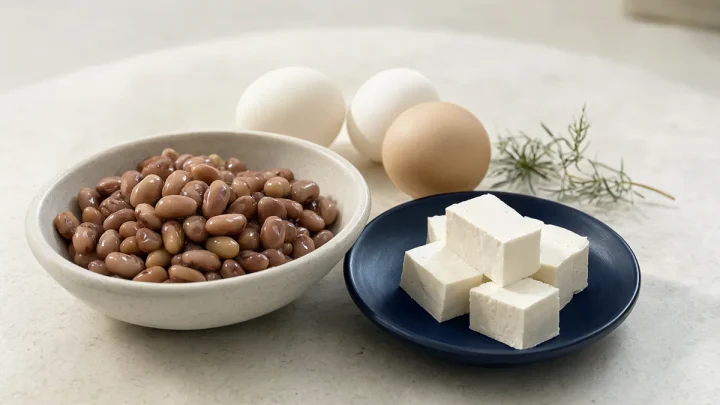
“Ultra-processed” is used as if it explains every food decision. A landmark inpatient experiment provides more precise evidence: people ate more energy and gained weight on one tested diet than on the other, under controlled conditions. The result is useful because of the design—and limited by what that design actually compared.
What happened in the experiment
Twenty adults stayed in a research setting and received an ultra-processed diet and an unprocessed diet for two weeks each, in randomized order. Participants could eat as much or as little as they wanted. Energy intake was higher during the ultra-processed condition, and body weight changed in different directions across the two conditions. Original inpatient randomized trial.
The crossover design let participants experience both diets. It supports a causal conclusion about these menus over this short period. It does not isolate a single ingredient, explain every mechanism, or tell us the effect of every supermarket product classified the same way.
The tested diet is the unit of comparison
A whole dietary condition contains many linked characteristics. Even when researchers match specified nutrients presented, the foods may differ in other ways relevant to eating. Avoid changing “this menu led to higher intake” into “every processed food has the same effect.” That broad claim needs a different evidence base.
Nor should the result be multiplied over a year to predict an exact amount of weight gain. People and environments change; this experiment was not a year-long free-living study. Its short duration is part of the finding, not a detail to discard after reading the abstract.
What to do with an ordinary grocery basket
Rather than sorting foods into a moral hierarchy, look at the meals you need to build. An affordable option that helps you assemble a varied meal deserves to be judged in that context. Convenience, storage, cooking equipment, and household preferences are practical constraints, not evidence that a person has failed.
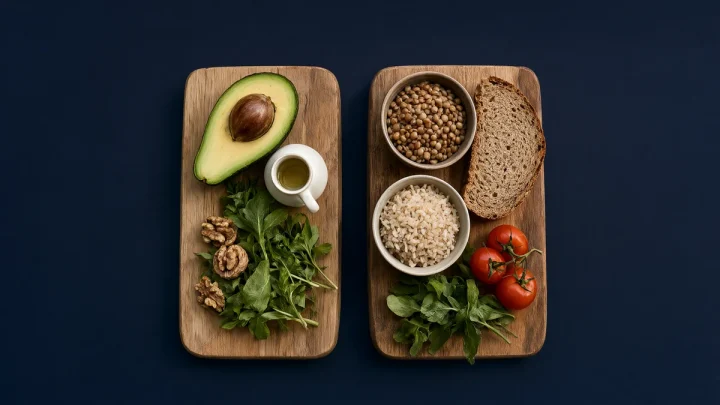
For a planning exercise, compare two realistic lunches you could actually eat. Identify their protein-containing food, vegetables or fruit where appropriate, and other components. Then compare cost, satisfaction, preparation, and how they fit your overall needs. WHO’s healthy-diet guidance provides broader context for nutritious dietary patterns. WHO guidance.
A stronger headline
The defensible headline describes the controlled menus, randomized design, increased intake, and short duration. That is already meaningful. It does not need a claim that processing categories perfectly rank all foods or that one experiment has found a universal explanation for obesity.