A cheap ingredient is not a bargain if it spoils, needs equipment you do not have, or becomes a meal nobody will eat. Budget-friendly groceries begin with the whole route from purchase to plate. Consider money, time, transport, cooking energy and storage. The aim is to keep useful foods available without creating a second job. There is no universal shopping list that meets every household’s nutrition needs at the same price, but a few decision questions can make your own list more reliable.
Start with what you can actually use
Look at the pantry, freezer and refrigerator before planning purchases. Identify foods that need using and ingredients that can become a familiar meal. The USDA weekly-meal planning guidance recommends this kind of inventory and linking meals to your available time.
Do not count an ingredient as available if it is unsafe, unusable or intended for another household need. The purpose is a realistic inventory. Note what has repeatedly gone uneaten; buying the same item again because it appears on a healthy-shopping list may repeat the waste.
Plan meal roles before specific products
Rather than starting with brands, list the jobs groceries need to do: breakfast on workdays, a packed lunch, two evening meals and a quick backup. Then identify foods that can fill those roles within preferences and restrictions. Some ingredients may serve several meals.
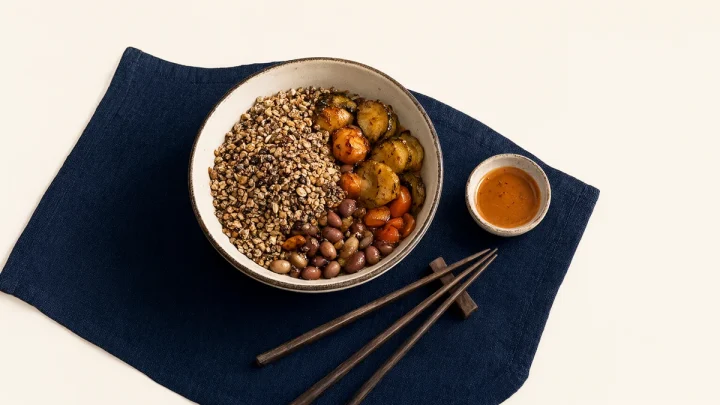
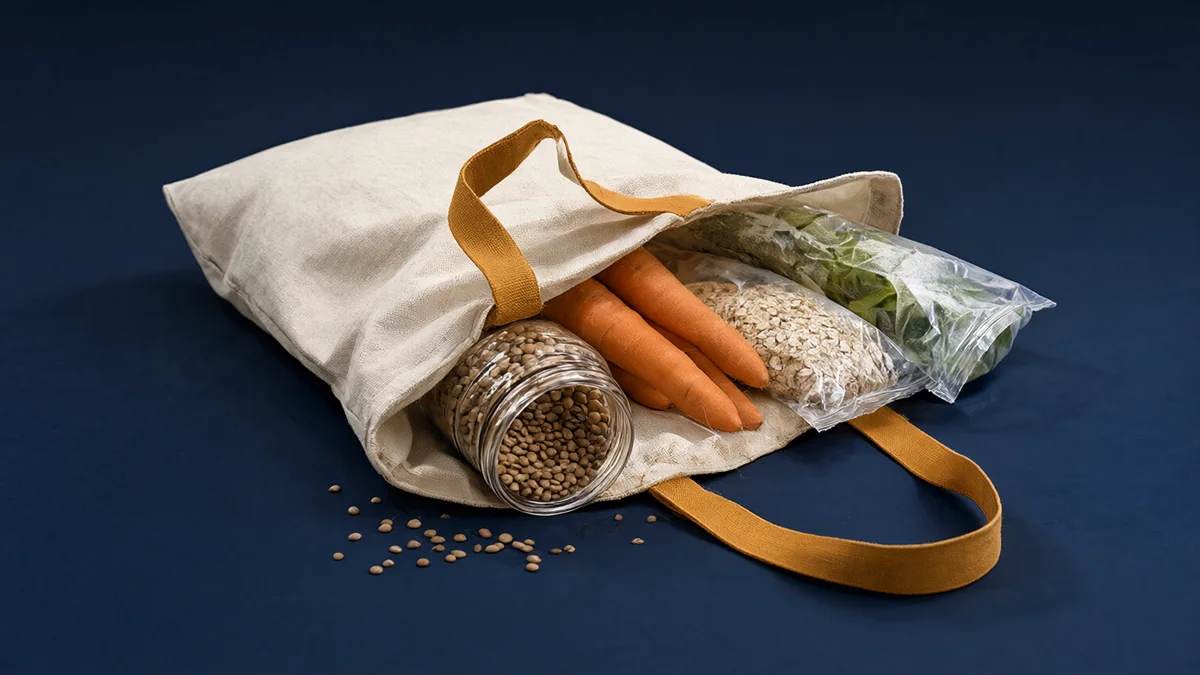
A bag of lentils is useful only if you can cook or use it. A ready-to-eat alternative may cost more per package but solve a time or equipment problem. Compare the realistic options available to you, not a prepared meal against an imaginary kitchen where time and cooking energy are free.
Include nourishment in the cost comparison
The WHO healthy-diet guidance emphasizes variety, including pulses, grains, vegetables, fruit and appropriate protein sources. A budget strategy should help you access that variety rather than simply minimize the price of calories.
For each planned meal, check what the ingredients contribute and whether an important component is missing. A large packet of one food may be inexpensive but provide a narrow pattern if it replaces everything else. If budget pressure is making adequate eating difficult, ask about local food assistance or community resources rather than treating the problem as poor discipline.
Compare usable portions, not just packet prices
Unit pricing can help compare similar products, but the largest package is not always the best choice. Consider how much you will use, storage and spoilage. An illustrative large bag that costs less per unit may still cost more per eaten meal if much of it is discarded.
Include preparation demands. Dried and canned beans may both be useful, but they differ in time, fuel and convenience. If you compare labels for sodium or another nutrient, use comparable serving amounts. The FDA label guide explains that step.
Give fresh, frozen and canned foods different jobs
Fresh produce may fit meals early in the week; frozen or shelf-stable options can support later meals and backups. USDA’s planning guidance includes a mixture of these forms. That is a storage strategy rather than a claim that every product is nutritionally identical.
Read relevant ingredients and labels, and choose forms you enjoy preparing. If a fresh vegetable repeatedly wilts before use, a frozen alternative may be more practical. If there is no freezer, a canned option may be the usable choice. The decision should respond to your kitchen, not a blanket rule that one form is always superior.
Design leftovers before cooking extra
Cooking more can save effort when the additional food has a planned use. Name that use before buying extra ingredients: tomorrow’s lunch, another dinner or a freezer portion. Without a plan, a large batch can become a large amount of waste.
For example, a familiar bean stew could serve dinner and a later lunch if you have appropriate storage and reheating access. That is an illustrative planning idea. Follow current local food-safety guidance for storage and reheating; this article does not set times or temperatures. Do not stretch a budget by keeping food beyond safe use.
Use a flexible substitution list
For each major ingredient, identify an alternative that fills a similar meal role and fits restrictions. If a preferred vegetable is expensive, another familiar vegetable may work. If a protein-containing food is unavailable, another suitable option may preserve the meal’s structure.
Substitution does not mean nutrient equivalence. Plant-based drinks, different meats, legumes and other foods can differ considerably. If a substitute is central to a medical nutrition plan, check it with the relevant professional. For ordinary shopping, the goal is enough flexibility to respond to prices without abandoning the entire week’s meals.
Choose convenience deliberately
A convenience item can be worth its cost when it prevents a recurring problem. Pre-cut produce, a ready grain or a prepared meal may reduce effort. Decide which demanding step you want it to remove and whether the household will use it.
You do not need convenience for every ingredient. An original planning exercise is to spend a small part of the budget on the step most likely to derail a meal, while using simpler staples elsewhere. Evaluate the result by usable meals and effort, not whether everything was cooked from scratch.
Avoid buying a complete new diet at once
A branded plan may require special bars, shakes, powders or subscription foods. Ask whether those purchases solve a genuine need and whether the plan allows alternatives. NIDDK’s program guide encourages asking about required products and total costs.
Start with foods you already know you can use. Trying one new ingredient is easier to evaluate than replacing the pantry. If a product promises dramatic weight loss, its price and packaging do not establish evidence. A workable grocery pattern can support weight management without becoming a product subscription.
Review the receipts and the uneaten food
After a week, ask which meals happened, which ingredients ran out and which purchases were wasted. The result gives you a better next list. A change in schedule may explain more than a lack of commitment; use that information to keep another backup available.
Our busy-week meal planning guide turns these groceries into a flexible routine. The budget goal is reliable access to food you can use. If the numbers still do not cover adequate eating, professional and community support matter more than another round of shopping optimization.