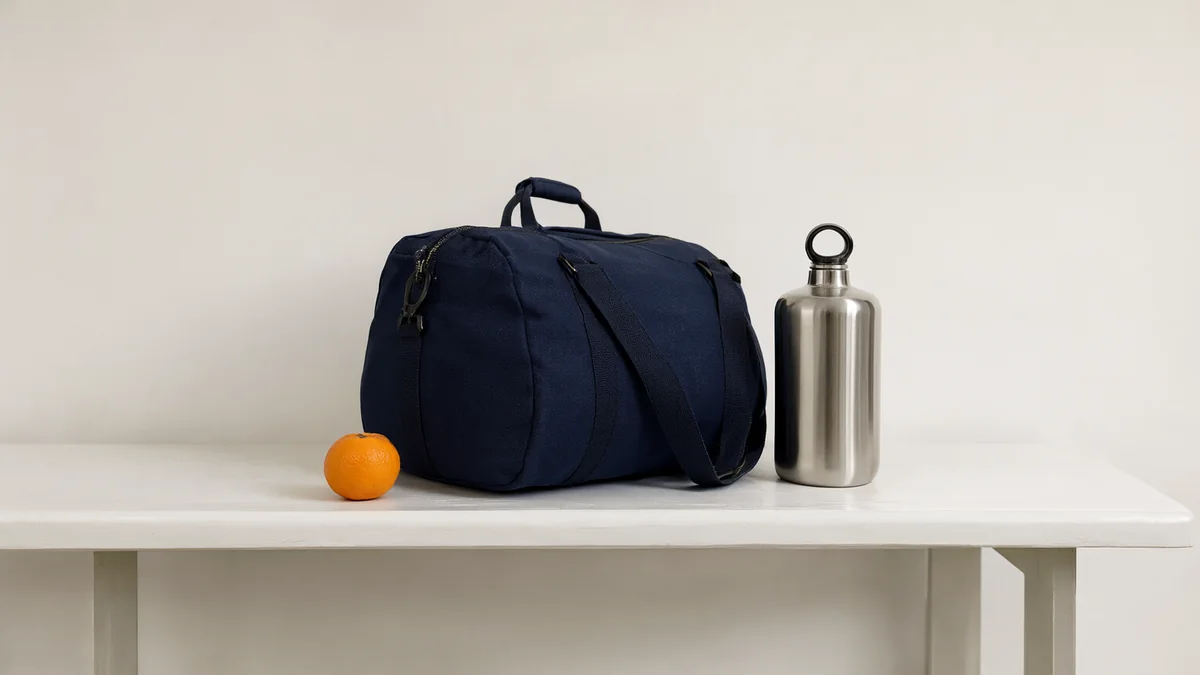
Travel changes the setting around your habits. Meals may depend on stations, airports or other people. Walking may increase one day and disappear the next. Sleep, access to familiar food and treatment logistics can all become less predictable.
A useful travel plan protects a few practical essentials while allowing the trip to be a trip. It does not require recreating your entire home routine or compensating afterward. Start with the parts that would create a real problem if they were missing.
Decide what needs continuity
Make a short list of essentials: adequate food and fluids, any treatment instructions, access needs and a workable return home. Then distinguish those essentials from preferences such as a usual meal time or favorite activity.
A preference may be easy to adapt. A medication storage requirement, allergy or clinical restriction may need advance planning. Treat those differences seriously rather than applying the same flexible rule to everything.
NIDDK’s habit guidance encourages planning for changes and setbacks, including travel. That principle can support continuity without requiring a flawless schedule. Changing Your Habits for Better Health
Research the setting rather than an ideal menu
Check what the accommodation offers: a refrigerator, kitchen, breakfast options, nearby shops or accessible restaurants. Confirm rather than assuming that a room has facilities for storing food or medicines.
For transit days, consider the time between food opportunities and whether a delay could make access difficult. An ordinary portable option may be useful if it fits food safety rules, allergies and destination restrictions. There is no compulsory travel snack or meal pattern.
If cost is the main constraint, compare actual options. A grocery stop may help in some places, while limited transport or storage can make it impractical. The plan should fit the trip’s resources.
Food safety can change the choice
A food described as healthy is not automatically safe in every travel setting. Hygiene, water quality, temperature and storage matter. CDC notes that contaminated food and drink can cause illness and advises safer food and water practices during travel. Food and Drink Considerations When Traveling
This may change the usual advice to choose raw produce or a chilled meal. Follow destination-appropriate guidance instead of judging only by the food category. Do not assume a visually appealing buffet item has been stored safely.
If you have a condition affecting what you can eat or your risk from illness, seek appropriate pretravel advice. This article does not provide a treatment plan for travelers’ diarrhea or dehydration.
Plan treatment logistics before departure
If you use a prescription medicine, check supply, storage, transport rules and whom to contact about a problem. International travel may involve different rules, so confirm current requirements with the relevant authorities and your care team.
Ask the pharmacist or prescribing team how to handle time-zone changes and what to do if a scheduled dose is missed. Instructions can differ by product. Do not improvise a dose change or use someone else’s travel routine.
NIDDK emphasizes following professional medication instructions and considering side effects and access. Those principles remain relevant while traveling. Prescription Medications to Treat Overweight & Obesity
A medicine’s exact restart or storage requirements belong to current product information and professional advice. Keep those instructions accessible privately.
Choose movement that fits the day
Some trips involve substantial walking; others involve prolonged sitting or limited access. Count the actual demands before adding a workout. Carrying luggage, heat and unfamiliar terrain can make an apparently easy day more challenging.
Look for a suitable opportunity rather than a required calorie target. An accessible route, an agreed home-style activity or rest when ill may each have a place. Safety, footwear, weather and the ability to return easily matter.
If a route feels unsafe or symptoms appear, change the plan. A step streak is not a reason to ignore unfamiliar conditions.
Leave room for shared meals
Food can be part of culture, celebration and company. You can decide how to participate without making every meal a test of discipline. A practical plan might include checking allergy needs, choosing a meal that suits your appetite and recognizing when a long delay has made eating harder.
Avoid skipping earlier food to earn an evening meal. If restriction, guilt or compensation is a recurring pattern, seek support rather than designing a stricter travel rule.
A trip does not need to produce a particular weight change to be successfully managed. Adequate intake and continuity can be more immediate priorities.
Write a disruption plan
For an original planning exercise, choose three likely disruptions and a response:
- A delayed journey: where can I obtain suitable food and water?
- A closed facility or poor weather: what appropriate activity option or rest plan fits?
- A treatment problem: whom do I contact, and which instructions apply?
- A difficult return day: what simple food and routine will be available?
Select the disruptions relevant to your trip. This is not a medical emergency plan or a guarantee that every problem can be solved in advance.
The value is reducing decisions at the moment when you are tired, hurried or unfamiliar with the setting.
Plan the first day home
Check whether there will be ordinary food available and when you can resume established appointments or activities. A small practical preparation may prevent the return from becoming another disruption.
Do not treat the first day back as a cleansing or compensation day. Resume suitable routines and review any problem that genuinely needs attention. If illness or a treatment gap occurred, ask the relevant professional how to proceed.
A scale reading immediately after travel cannot identify the cause of a change in total mass. Avoid interpreting one measurement as a precise amount of fat gained or as proof that the trip erased all progress.
Keep the lessons, release the punishment
Review what made the trip easier and what was missing. Did you need better food access, more rest, a clearer medication contact or an accessible route? Use that information for the next trip.
See planning for treatment interruptions and managing setbacks for related decisions. Travel planning is most useful when it protects health and reduces friction, leaving you able to return to ordinary life without a new cycle of restriction.